

Congratulations to the 2025 “DocStars” – Timothy J. Brown M.D., M.S.C.E., R. Nicholas Burns, M.D., and Jeff Schaffert, Ph.D. Each of these promising investigators will receive a $50,000 Early-Stage Research Grant from The Cary Council. For the past decade, The Cary Council has been providing crucial funding to advance the research of UT Southwestern early-career investigators. To date, The Cary Council’s 24 grants have led to nearly $30 million in additional follow-on funding for grant recipients to continue their work.

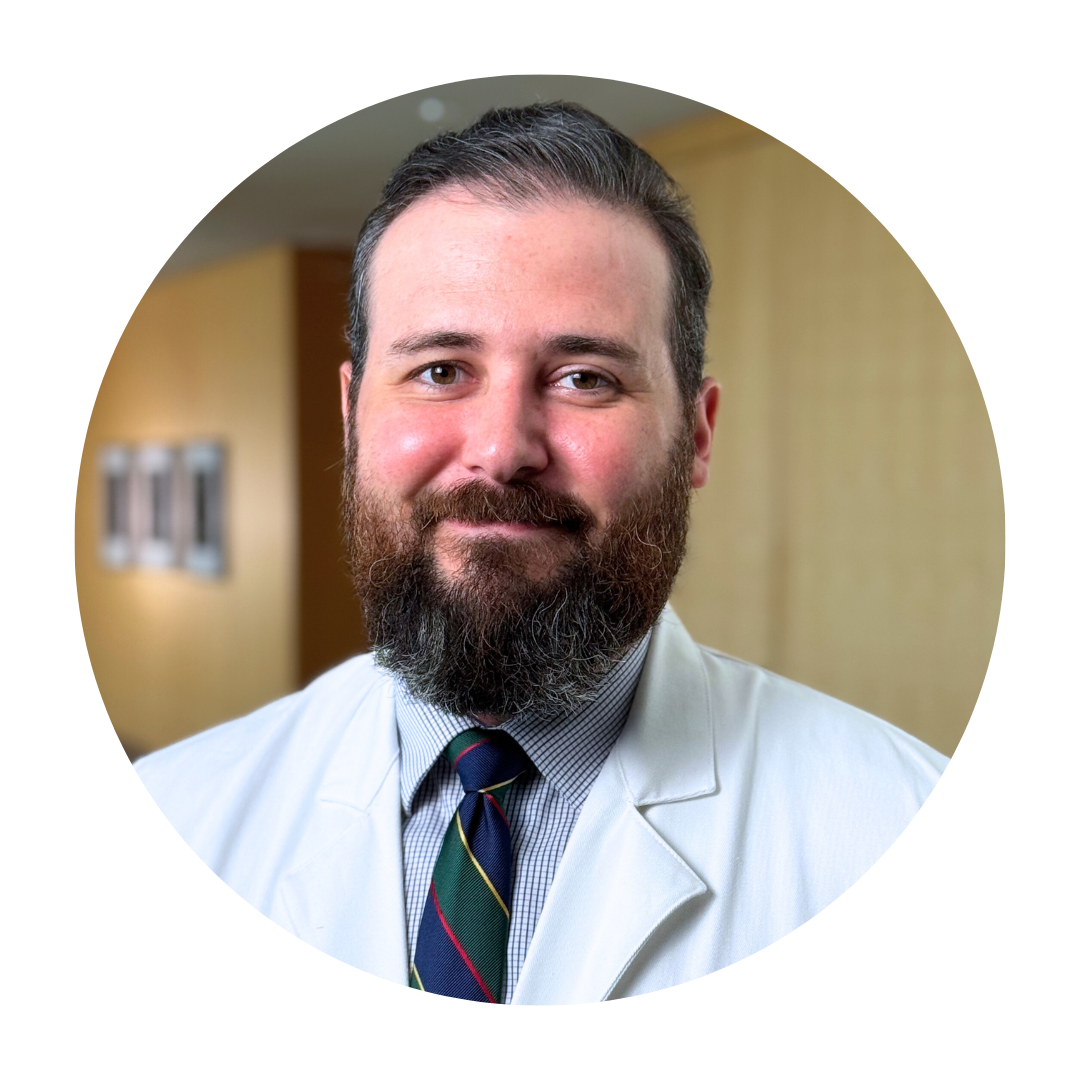
Timothy J. Brown, M.D., M.S.C.E.
Dr. Brown is an Assistant Professor of Internal Medicine and specializes in the treatment of upper gastrointestinal cancers, including the stomach and the esophagus. He is focused on improving patient outcomes through novel therapies and multidisciplinary approaches. Using his Early-Stage Research Grant, he plans to evaluate the addition of an adaptive radiation therapy, known as PULSAR, developed at UT Southwestern, in combination with chemotherapy and surgery for patients with esophageal cancer.
Board-certified in internal medicine and oncology, Dr. Brown is an active member of the American Society of Clinical Oncology. He has published extensively in peer-reviewed journals and serves as a reviewer for several oncology publications.
Dr. Brown earned his undergraduate degree in human nutrition, foods, and exercise from Virginia Tech, graduating summa cum laude. He received his medical degree from Penn State College of Medicine and completed his residency in internal medicine at UT Southwestern, where he was appointed Chief Resident in 2018. He later completed a fellowship in oncology at the University of Pennsylvania, where he also earned a master’s in clinical epidemiology and served as Chief Fellow.
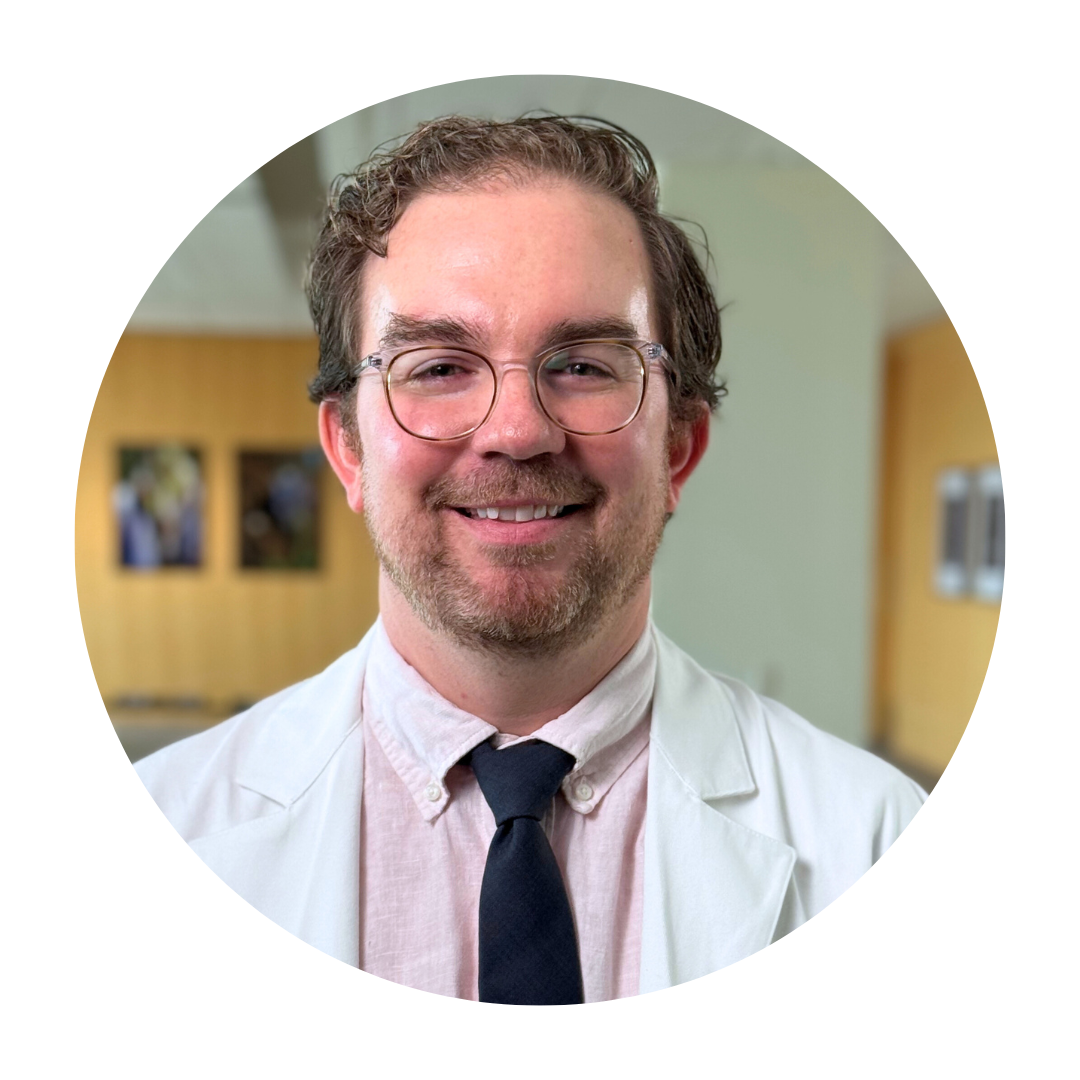
R. Nicholas Burns, M.D.
Dr. Burns is an Assistant Professor of Obstetrics and Gynecology, where he also serves as an Assistant Residency Program Director for Ob/Gyn. Nationally recognized as an innovative educator and scholar, his work focuses on optimizing physician training using data while encouraging lifelong learning habits in physicians.
With support from the Cary Council, Dr. Burns’ project will use insights from educational assessments and clinical data to provide targeted training opportunities for physicians. His early work includes developing a mathematical model to measure surgical competency among residents. His clinical and research interests further include hypertensive disorders of pregnancy, critical care in obstetrics, and quality and safety in maternal care.
Board certified in obstetrics and gynecology and in maternal-fetal medicine, Dr. Burns is a member of the American College of Obstetricians and Gynecologists, the Association of Professors of Gynecology and Obstetrics, and the Society for Maternal-Fetal Medicine.
A Dallas native, Dr. Burns earned his medical degree from The University of Texas Medical Branch and completed his residency in obstetrics and gynecology at The Warren Alpert Medical School of Brown University and Women & Infants Hospital of Rhode Island. He additionally completed a fellowship in maternal-fetal medicine at the University of Washington.
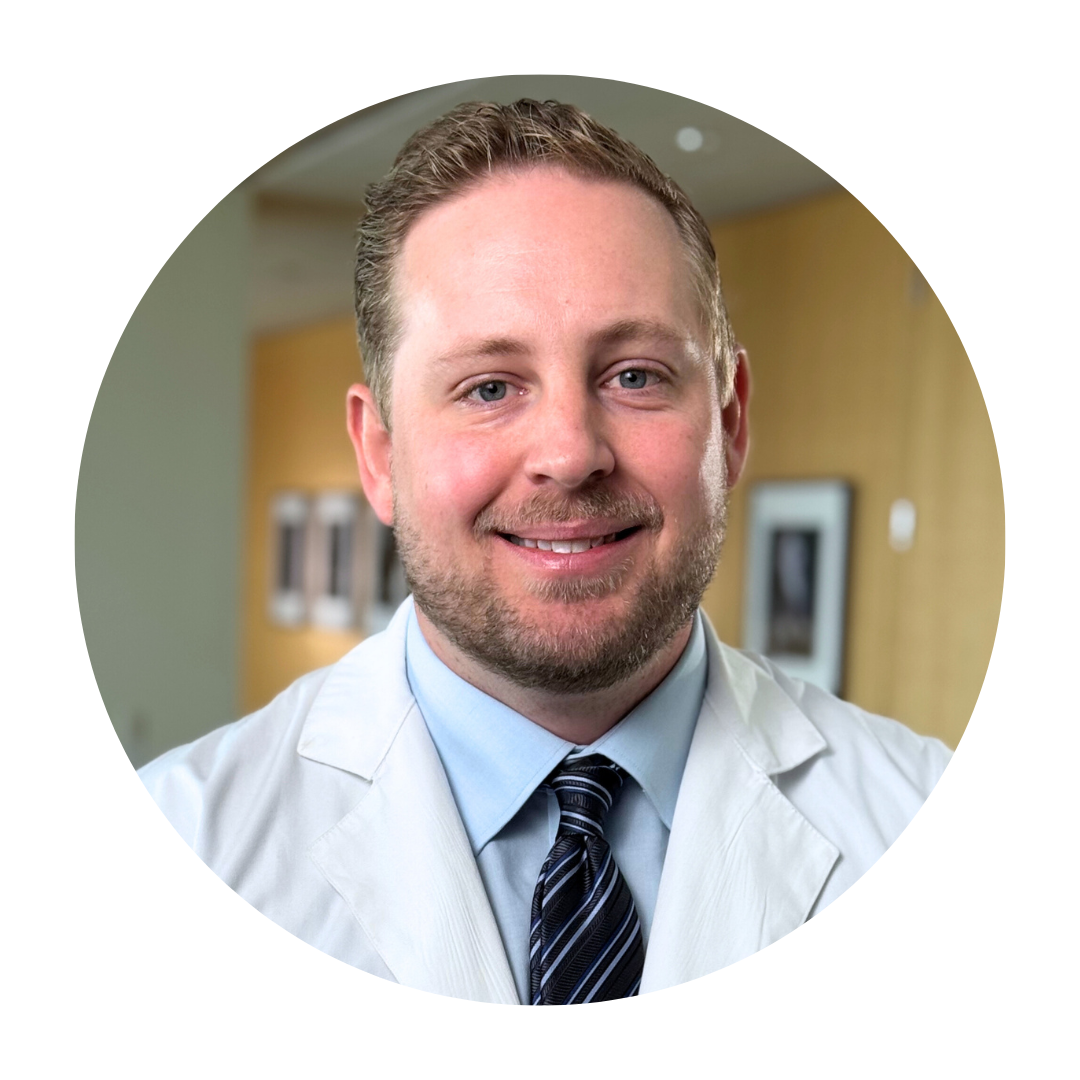
Jeff Schaffert, Ph.D.
Dr. Schaffert is an Assistant Professor of Psychiatry and a clinical neuropsychologist focused on detecting and improving cognitive impairment for his patients. One of his primary research areas is on the relationship between traumatic brain injury (TBI), repetitive head impacts (RHI), and the risk of later-life neurodegeneration and dementia. His work has demonstrated that TBI is associated with earlier onset of Alzheimer’s disease and may confer risk through static neuropathological deposition rather than initiation of a neurodegenerative process. His other primary area of research is in the cognitive presentation and outcomes of shunting in those with normal pressure hydrocephalus, for which he recently received funding as the Dedman Family Scholar in Clinical Care.
Dr. Schaffert serves as a co-investigator on the College Level Aging Athlete Study, which explores cognitive and emotional outcomes in former athletes with RHI exposure. With his Cary Council funding, he is leading a pilot study using blood biomarkers, advanced neuroimaging, and detailed cognitive assessments to detect early signs of neurodegeneration and cognitive decline in former collegiate athletes.
Dr. Schaffert earned a bachelor’s degree in psychology from Centenary College of Louisiana and a master’s degree in general clinical psychology from Eastern Michigan University. He received his Ph.D. in clinical psychology at UT Southwestern, where he also completed a fellowship in neuropsychology.
Meet All of the DocStars
Learn more about all of the researchers who have been awarded The Cary Council’s Early-Stage Research Grant.
Support the DocStars
Consider a gift to The Cary Council Fund and help support innovative, early-stage research.