

MEET THE DOCSTARS


For the past decade, The Cary Council has worked to transform the medical landscape by funding early-stage research. Founded through the vision of the Kahn Family to engage the next generation of leaders, in partnership with Southwestern Medical Foundation, The Cary Council has awarded 24 grants to early-stage researchers at UT Southwestern Medical Center. To date, these researchers, known as DocStars, have leveraged The Cary Council seed funding to secure more than $30 million in follow-on funding. Each fall, The Cary Council hosts An Evening with DocStars to celebrate and honor the grant recipients and raise funds for future early-stage research.

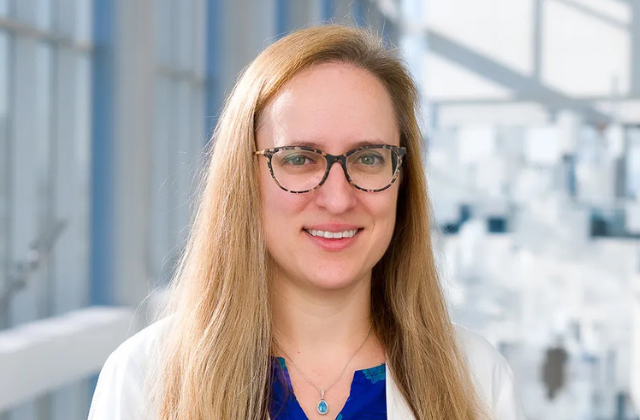
Understanding how cervical mucosal barrier dysfunction leads to infection-mediated preterm birth.
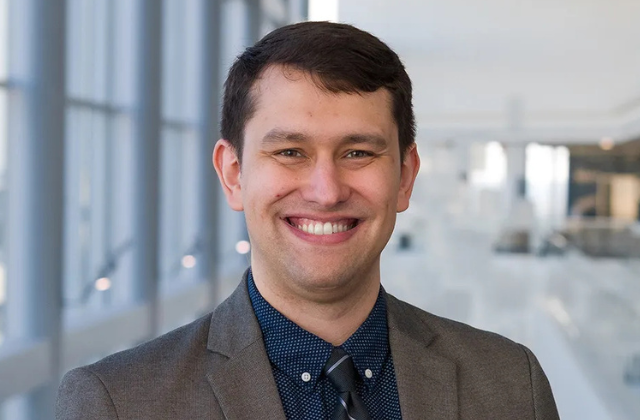
Improving learning and memory in Alzheimer’s patients using vagus nerve stimulation.
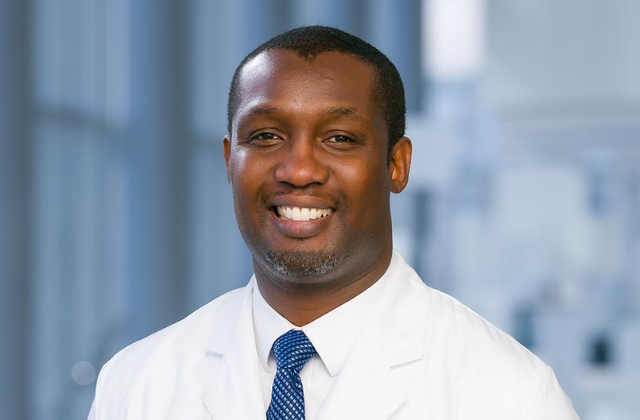
Better detection and prevention of kidney disease in people with sickle cell disease.
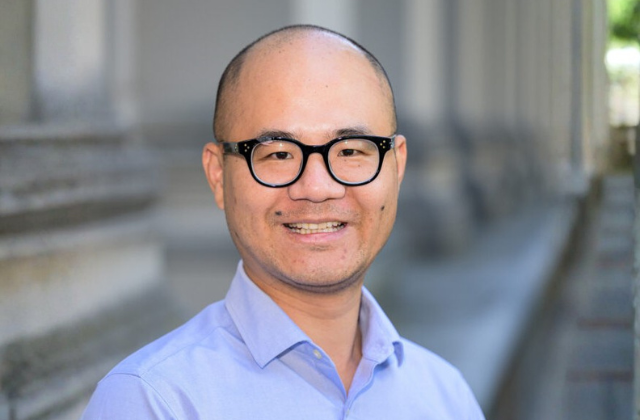
Advancing colorectal cancer care with new methods and biomaterials for localized treatment.
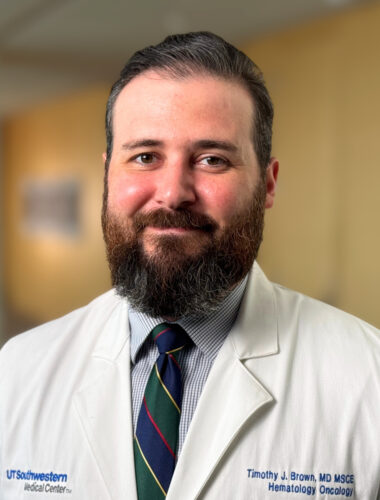
Assistant Professor in the Department of Internal Medicine
UT Southwestern Medical Center
Dr. Brown is an Assistant Professor of Internal Medicine and specializes in the treatment of upper gastrointestinal cancers, including the stomach and the esophagus. Dr. Brown is focused on improving patient outcomes through novel therapies and multidisciplinary approaches. Using his Early-Stage Research Grant, he plans to evaluate the addition of an adaptive radiation therapy, known as PULSAR, developed at UT Southwestern, in combination with chemotherapy and surgery for patients with esophageal cancer.
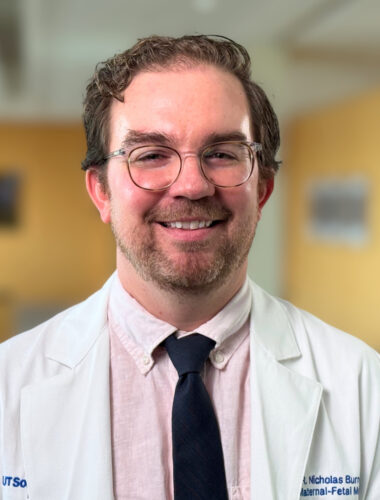
Assistant Professor in the Department of Obstetrics and Gynecology
UT Southwestern Medical Center
Dr. Burns is an Assistant Professor of Obstetrics and Gynecology, where he also serves as an Assistant Residency Program Director for Ob/Gyn. Nationally recognized as an innovative educator and scholar, his work focuses on optimizing physician training using data while encouraging lifelong learning habits in physicians.
With support from the Cary Council, Dr. Burns’ project will use insights from educational assessments and clinical data to provide targeted training opportunities for physicians. His early work includes developing a mathematical model to measure surgical competency among residents. His clinical and research interests further include hypertensive disorders of pregnancy, critical care in obstetrics, and quality and safety in maternal care.
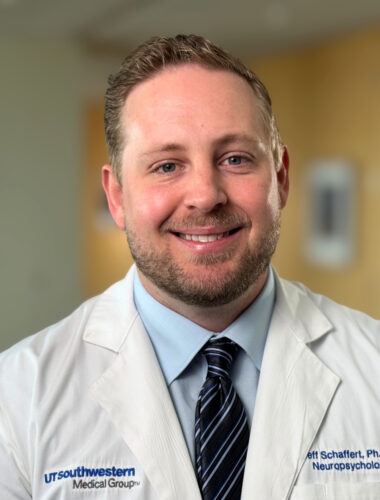
Assistant Professor of Psychiatry
UT Southwestern Medical Center
Dr. Schaffert is an Assistant Professor of Psychiatry and a clinical neuropsychologist focused on detecting and improving cognitive impairment for his patients. One of his primary research areas is on the relationship between traumatic brain injury (TBI), repetitive head impacts (RHI), and the risk of later-life neurodegeneration and dementia. His work has demonstrated that TBI is associated with earlier onset of Alzheimer’s disease and may confer risk through static neuropathological deposition rather than initiation of a neurodegenerative process. His other primary area of research is in the cognitive presentation and outcomes of shunting in those with normal pressure hydrocephalus, for which he recently received funding as the Dedman Family Scholar in Clinical Care.

Assistant Professor in the Department of Internal Medicine’s Division of Digestive and Liver Disease
UT Southwestern Medical Center
Dr. Sarah Lieber's clinical practice emphasizes patient-centered care for individuals with advanced liver disease who are in need of liver transplantation. Her research interests are focused on liver transplantation outcomes, aiming to understand why some patients flourish after transplant while others struggle profoundly. She hopes to implement interventions to ensure that all patients thrive after receiving their gift of life.
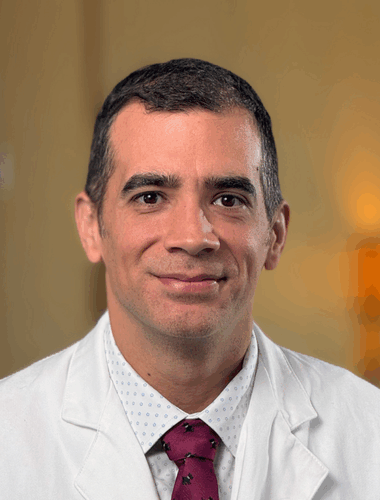
Assistant Professor in the Departments of Anesthesiology & Pain Management and Pediatrics
UT Southwestern Medical Center
As the Associate Program Director for Pediatric ECMO, Dr. Sanford regularly leads clinical teams in caring for the sickest children in our community. He works with multidisciplinary groups to determine best practices and continuously evaluate how we may better serve children at their greatest time of need. Additionally, Dr. Sanford serves as a member of the pediatric liver transplant and craniofacial anesthesia group where he regularly cares for children undergoing high risk surgeries.

Assistant Professor in the Department of Internal Medicine
UT Southwestern Medical Center
Anezi Uzendu, M.D., F.A.C.C., specializes in interventional cardiology and cardiac arrest care and is passionate about improving outcomes after cardiac arrest. Dr. Uzendu has partnered with the American Heart Association on multiple projects to advocate for heart health and CPR awareness, and he also created virtual CPR training for Boston minority youth during the pandemic. He is bringing this expertise to a partnership with Dallas Independent School District to transform cardiac arrest and CPR education in schools, empowering students to save lives.

Assistant Professor in the Department of Obstetrics and Gynecology's Division of Maternal-Fetal Medicine
UT Southwestern Medical Center
Christina Herrera, M.D., has dedicated her academic career to clinical and translational research, using ultrasound and magnetic resonance imaging along with genomic techniques to study the normal and abnormal development, structure, and function of the human placenta. Her work applying cutting edge technologies to placental research will elucidate these key issues. She is poised to evaluate the role of interventions and therapies to improve outcomes. Her pioneering work has already demonstrated the feasibility of recruiting patients, obtaining imaging, and correlating with clinical outcomes and has the potential to markedly advance the field and provide her with the necessary data for the first of many NIH research grants.
Dr. Herrera joined Southwestern Medical Foundation's podcast, Learning From Leaders, in 2024. Watch her episode here, and learn more about her research project, leadership in medicine, and the importance of mentorship.

Assistant Professor in the Department of Pediatrics
UT Southwestern Medical Center
Katie Hoge, M.D., specializes in neonatal-perinatal medicine and developmental-behavioral pediatric medicine. She developed a novel approach to investigating how parental mental health influences the neurodevelopmental outcomes of newborns, a relationship that can lead to a state known as the vulnerable child syndrome (VCS). VCS is a parent-infant phenomenon in which a parent develops lasting mental health symptoms and trauma from a child’s health care experience and has a heightened perception that their child is at higher risk for medical, behavioral, or developmental problems. VCS results in unhealthy parenting styles that can impair a child’s neurodevelopmental outcomes. There is currently no accessible, standardized therapy to address VCS in neonatal intensive care (NICU) populations to improve parent-infant long-term outcomes.

Assistant Professor in the Department of Pediatrics' Division of Hematology-Oncology
UT Southwestern Medical Center
Avanthi Tayi Shah, M.D., is a leader in translational genomics, which aims to improve human health by building on discoveries made through genetics research and applying them in the clinical setting. Her career goal is to improve outcomes for pediatric oncology patients by utilizing genomic techniques, and she is studying the effectiveness of the use of liquid biopsy in assessing thyroid nodules.
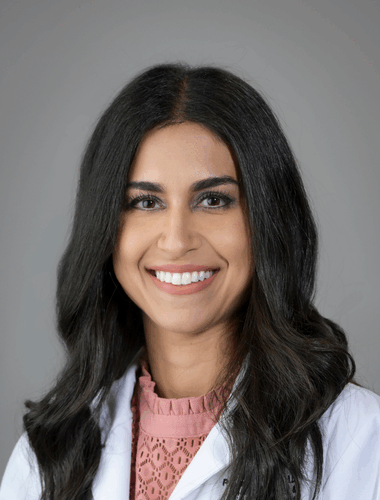
Associate Professor in the Departments of Anesthesiology & Pain Management and Pediatrics
UT Southwestern Medical Center
Proshad Efune, M.D., works to predict which children will be at risk for severe breathing complications following tonsil-removal surgery in order to better monitor those children in the hospital, while giving children who are not at-risk the opportunity to recover at home.

Assistant Professor in the O'Donnell School of Public Health
Assistant Professor in the Department of Social and Behavioral Sciences
UT Southwestern Medical Center
Robin T. Higashi, Ph.D., is working to improve delivery of telehealth care to cancer patients among underserved populations in the Dallas-Redbird. Dr. Higashi’s work will uncover the unique challenges of those patients that can hinder their access to care and develop strategies to address those challenges.

Associate Medical Director of Radiation Oncology
UT Southwestern Medical Center
Dominic Moon, M.D., aims his research to tailor head and neck cancer treatment regimens to each specific patient. He utilized his research grant to develop a blood test to help physicians predict how an individual’s cancer will respond to different treatment options. He also spent a year conducting translational research at the National Institutes of Health through the prestigious Medical Research Scholars Program during his time in medical school.

Assistant Professor in the Department of Obstetrics and Gynecology
UT Southwestern Medical Center
Emily Adhikari, M.D., cares for pregnant women at Parkland Hospital and teaches physicians in training. She also conducts research aimed at fighting infectious diseases in pregnancy, reducing the primary cesarean delivery rate, and understanding opioid-use disorder among pregnant women.

Adjunct Associate Professor in the Department of Neurosurgery
University of Cincinnati Medical Center and Private Practice
Owoicho Adogwa, M.D., M.P.H., is one of only a few surgeons in the world who is cross trained in both orthopedic spine surgery and neurosurgery, which gave him unique qualifications to treat patients with complex spinal conditions at UTSW’s Peter O’Donnell Jr. Brain Institute Spine Center. Dr. Adogwa has now opened a private practice and serves as an Adjunct Associate Professor in the Department of Neurosurgery at University of Cincinnati Medical Center.

Assistant Professor in the Department of Pediatrics
UT Southwestern Medical Center
Samuel John, M.D., is an Assistant Professor in the Department of Pediatrics at UTSW and Attending Physician in Pediatrics/Hematology-Oncology at Children’s Health Dallas and Parkland Memorial Hospital. He serves as the program leader for CAR-T cell therapy at UT Southwestern/Children’s Medical Center. His research interests include immunotherapy, cell therapy, and acute myeloid leukemia, and he is serving or has served as principal investigator in various grant-supported research projects and clinical trial activities.

Assistant Professor in the Department of Pediatrics
UT Southwestern Medical Center
Dr. Luis Sifuentes-Dominguez used his research grant to study the basic mechanisms of inflammatory bowel disease (IBD). Using cutting-edge genomic approaches, he has helped identify novel genes that play a role in early-onset IBD and will continue studying the interaction of the environment with genes associated with IBD.

Assistant Professor in the Division of Radiation Oncology
UC San Diego Medical Center
Dr. Nwachukwu focused her research on gynecologic cancer, women’s health, and global oncology initiatives, and her work will focus on identifying high-risk cervical cancer patients who could be candidates for more aggressive treatments. Chika Nwachukwu, M.D., Ph.D., is now an Assistant Professor in the Division of Radiation Oncology at UC San Diego Medical Center.

Staff Anesthesiologist
Providence Anesthesiology Associates
Dr. Olutoyosi “Toy” Ogunkua’s received his early-stage grant to research maternal bleeding and hemorrhage, aiming to limit the hemorrhaging women have after caesarian section by studying the use of tranexamic acid prophylactically in clinical trials. Olutoyosi Ogunkua, M.D., now works as a staff anesthesiologist for Providence Anesthesiology Associates in North Carolina.

Distinguished Teaching Professor in the Departments of Internal Medicine and Microbiology
UT Southwestern Medical Center
David Greenberg, M.D., used his grant to address the global antibiotic resistance health crisis and develop a sophisticated computer algorithm to predict whether a strain of bacteria is resistant and discover new forms of resistance. Dr. Greenberg has a lab that uses peptide-conjugated phosphorodiamidate morpholino oligomers (PPMOs) to block mRNA and prevent translation of target genes.

Assistant Professor in the Department of Radiation Oncology
UT Southwestern Medical Center
Specialized in the treatment of breast cancer, Dr. Alluri used his research grant to address a primary obstacle all patients with metastatic breast cancer face—their tumors’ resistance to treatment. The goal of his project was to understand on a molecular level how tumors develop treatment resistance and to devise new targeted therapies to overcome resistance. To accomplish this, Dr. Alluri and his team analyzed the genetic sequence of treatment-resistant patient tumors to understand how resistance works and identified new potential drug targets specific to each patient. By working with breast cancer cell lines, they have already identified a promising drug that inhibits growth of these treatment-resistant cells, providing clues into cellular pathways that may overcome resistance.

Director of Cardiovascular Innovation
Cleveland Clinic Children’s
Dr. Tandon’s work focused on infants diagnosed with congenital heart disease. For survival, these babies need three surgeries at ~1 week, at 4-6 months, and at ~2-5 years of age. Current monitoring techniques don’t provide doctors enough time to detect health deteriorations and better prevent infant deaths. To do so, Dr. Tandon and his team proposed that these infants wear special biosensors at home to continuously monitor data. The team used advanced machine learning techniques to analyze massive amounts of collected data and to recognize patterns that precede dangerous health events. These patterns can then be used to predict future events, prompting medical intervention hours or days before the infant’s health becomes critical. Animesh Tandon, M.D., M.S., is now the Director of Cardiovascular Innovation at Cleveland Clinic Children’s.

Associate Professor in the Departments of Radiology and Biomedical Engineering
UT Southwestern Medical Center
Jacques Lux, Ph.D., used his grant to develop a nanoparticle-based system to protect a body's enzymes from the inside and eliminate Immune response. This system can help to diagnose and treat disease, specifically acute lymphoblastic leukemia, the most prevalent childhood cancer in the U.S.

Professor and Vice Chair of Research
University of Colorado Anschutz Medical Campus
Richard Wang, M.D., Ph.D., worked with glucose, one of the most fundamental biological molecules, and his lab specifically was interested in the glucose transporter, how its regulated, and how that process is abnormal in disease. His research lab focused on pathways central to both the development of normal skin and non-melanoma skin cancer tumorigenesis.

Assistant Professor in the Department of Cell Biology & Physiology
University of New Mexico Health Sciences Center
Sara G.M. Piccirillo, Ph.D., studied glioblastoma, the most common and aggressive brain tumor in adults. One of the cardinal features of glioblastoma is that it can migrate long distances from the initial tumor site and infiltrate the brain. This makes the tumor surgically curable, and it is characterized by very poor prognosis. Dr. Piccirillo used her grant to increase the understanding of glioblastoma cell movement and provide a new therapeutic approach to block cell migration. Sara G.M. Piccirillo, Ph.D., is now an Endowed Professor in Neuro-Oncology at University of New Mexico Health Sciences Center.
In 1939, Dr. Edward H. Cary had a vision to advance medical education, scientific research, and “inspire a great citizenship to greater deeds.” It was a vision that led to the establishment of both the Foundation and Southwestern Medical College, the precursor to today’s UT Southwestern Medical Center.
Today, The Cary Council bears the name of Dr. Cary as a tribute to his vision for innovation. In partnership with Southwestern Medical Foundation and UT Southwestern, The Cary Council taps a new generation of leadership—young men and women who will carry on the visionary tradition that has enabled both the Foundation and the medical school to flourish.
*Please note that this individual is no longer employed at UT Southwestern Medical Center.