
As a proud partner of UT Southwestern, Southwestern Medical Foundation is honored to support its key initiatives, such as Moody Children’s Hospital, its Fort Worth expansion, and the Center for Cellular Therapies and Cancer Immunology. Investing in the future of North Texas through these key projects will lead to a healthier future in our region.
Center for Cellular Therapies & Cancer Immunology
The Center for Cellular Therapies and Cancer Immunology was recently established in the Harold C. Simmons Comprehensive Cancer Center at UT Southwestern, where it houses a multidisciplinary program focused on developing next-generation immunotherapies for patients with solid tumors.
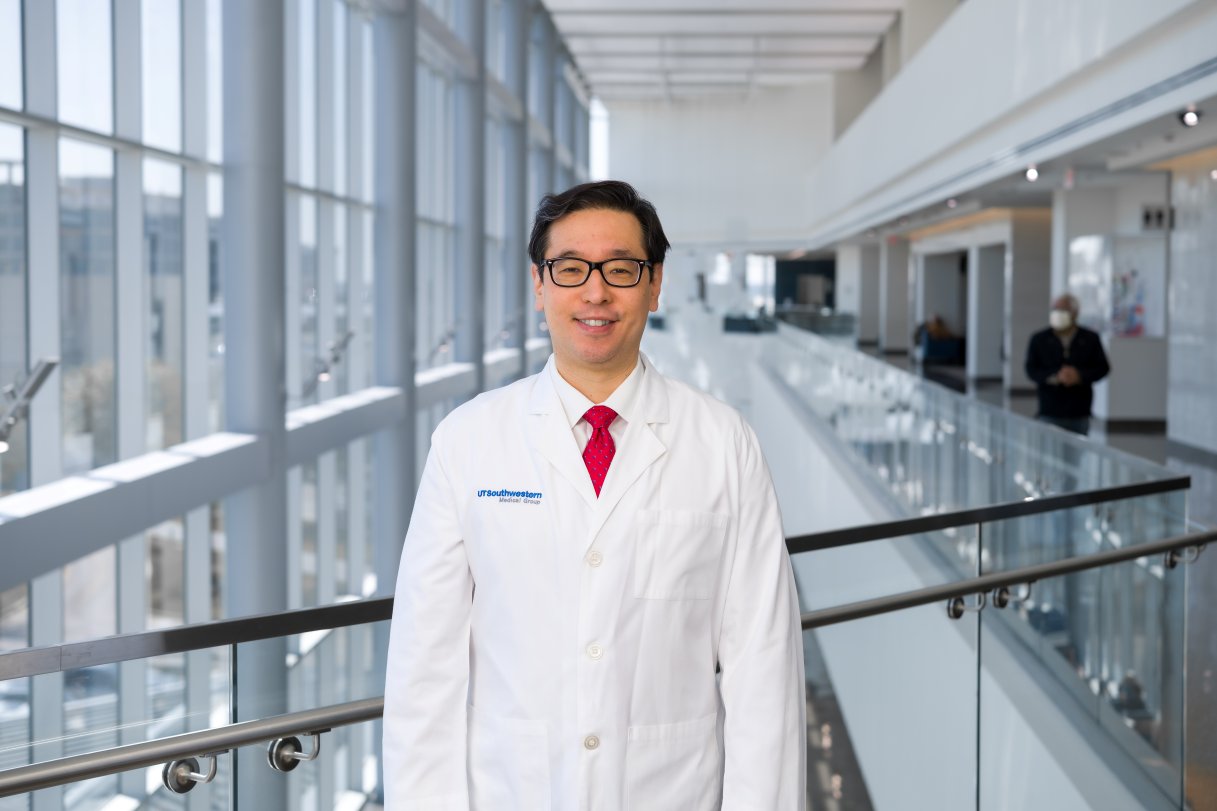
Leading the Center is inaugural Director Jaehyuk Choi, M.D., Ph.D., an internationally acclaimed physician-scientist whose discoveries have transformed the field of cancer immunology. Dr. Choi came to UT Southwestern from the Feinberg School of Medicine at Northwestern University, where he was Associate Professor in the Departments of Dermatology, Biochemistry, and Molecular Genetics. His research utilizes genomic and computational approaches to explain molecular and cellular defects in cancer and autoimmune disease.
For decades, researchers explored ways to harness the power of the immune system to treat cancer. In the late 1990s, scientists believed that the immune system could fight only some small, specific subsets of cancer. Over the next decade, that belief changed completely with the development of antibody drugs that could target proteins on immune cell surfaces and cure patients with otherwise fatal cancers. By 2011, these drugs started getting approved by the Food and Drug Administration (FDA).
Dr. Choi and his team’s recent discoveries into the superpowers acquired by T cells in T-cell lymphomas could lead to enhanced cellular therapies for solid tumors – “living drugs” that could offer new hope for patients with currently incurable cancers. One of their most important discoveries focuses on chimeric antigen receptor (CAR)-T cells, a treatment in which a patient’s own immune cells are engineered in a lab to fight their specific cancers. This therapy has had great success. As the Center’s leader, Dr. Choi will identify new lead candidates for cell therapies developed in his laboratory or by others at the institution that would provide the basis for firstin-human clinical trials in solid tumors.Now scientists know that cancer cannot be explained without understanding how it interacts with the immune system. They believe most patients’ immune systems can recognize cancer but aren’t strong enough to kill it. The Center’s goal is to enhance immune cells so they can selectively eradicate cancer cells while being strong enough to withstand cancer’s defenses, creating not only a cure but long-lived immunity against cancer.
Moody Children’s Hospital
A generous community has enthusiastically responded to help meet the surging demand for pediatric care, research, and training in our region. Charitable leaders have joined together as catalysts to support a new $5 billion pediatric campus in Dallas that will reshape care for children in our area and beyond.
The new project, announced in 2024, is a joint investment between Children’s HealthSM and UT Southwestern Medical Center. It will serve as a collaborative center for innovation, academic research, training, and the advancement of lifesaving technologies that will improve children’s lives.
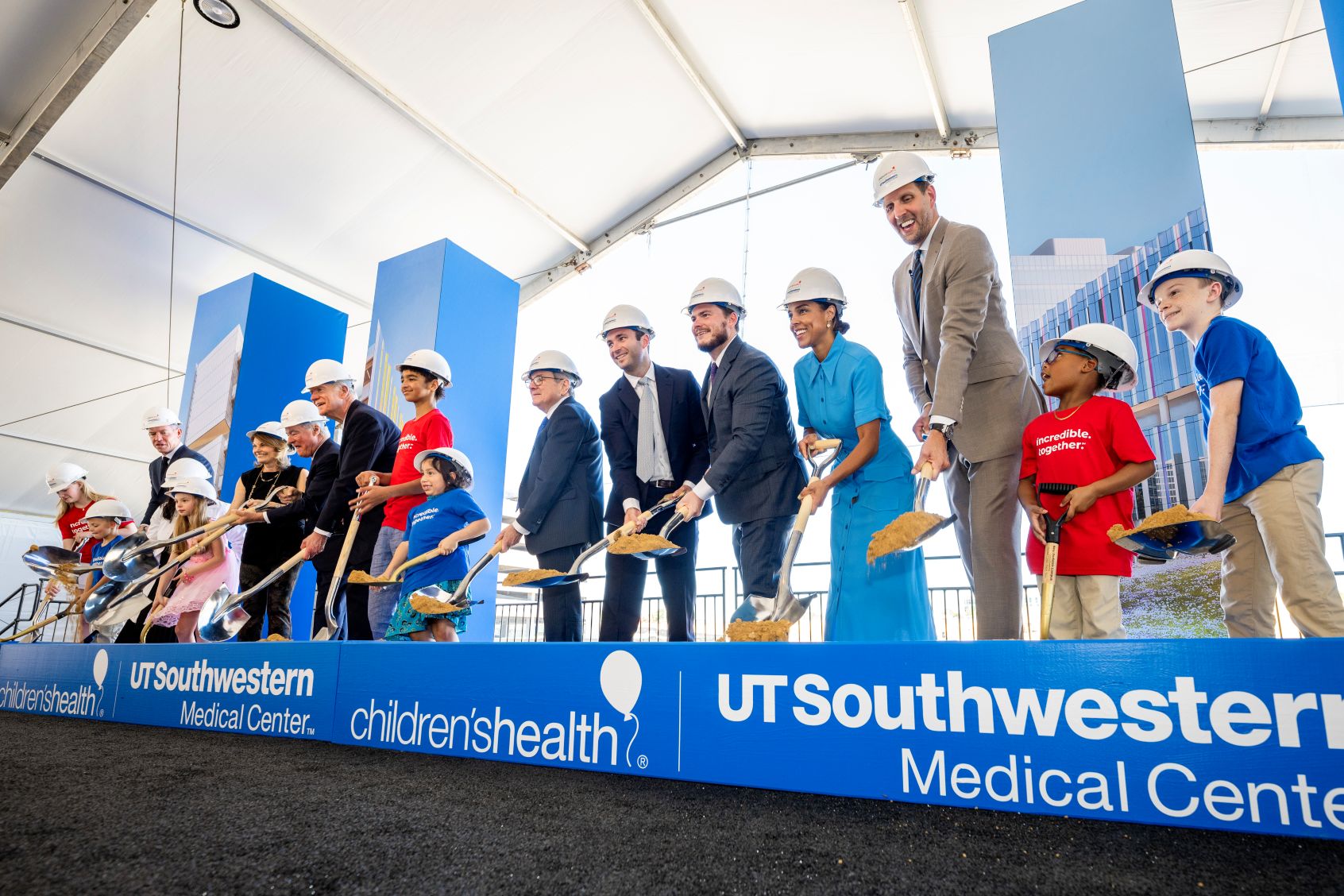
In May 2025, it was announced that the Moody Foundation had made a historic nine-figure grant for this landmark initiative, the largest gift to date. To recognize the Moody Foundation’s investment of this transformative gift, the hospital at the new pediatric campus will be named Moody Children’s Hospital upon its estimated completion in 2031.
For more than 80 years, the Moody Foundation has played a pivotal role in empowering Texas communities to thrive and prosper, providing more than $2.6 billion in charitable funding to consistently support education, social services, children’s needs, and community development. This grant is in addition to the more than $400 million the Moody Foundation has contributed previously to Children’s HealthSM and the University of Texas System.
Additionally, the Moody Foundation grant is the third, and largest, nine-figure gift to support the new pediatric campus project. In 2024, two early major gifts were announced from the Pogue Foundation and
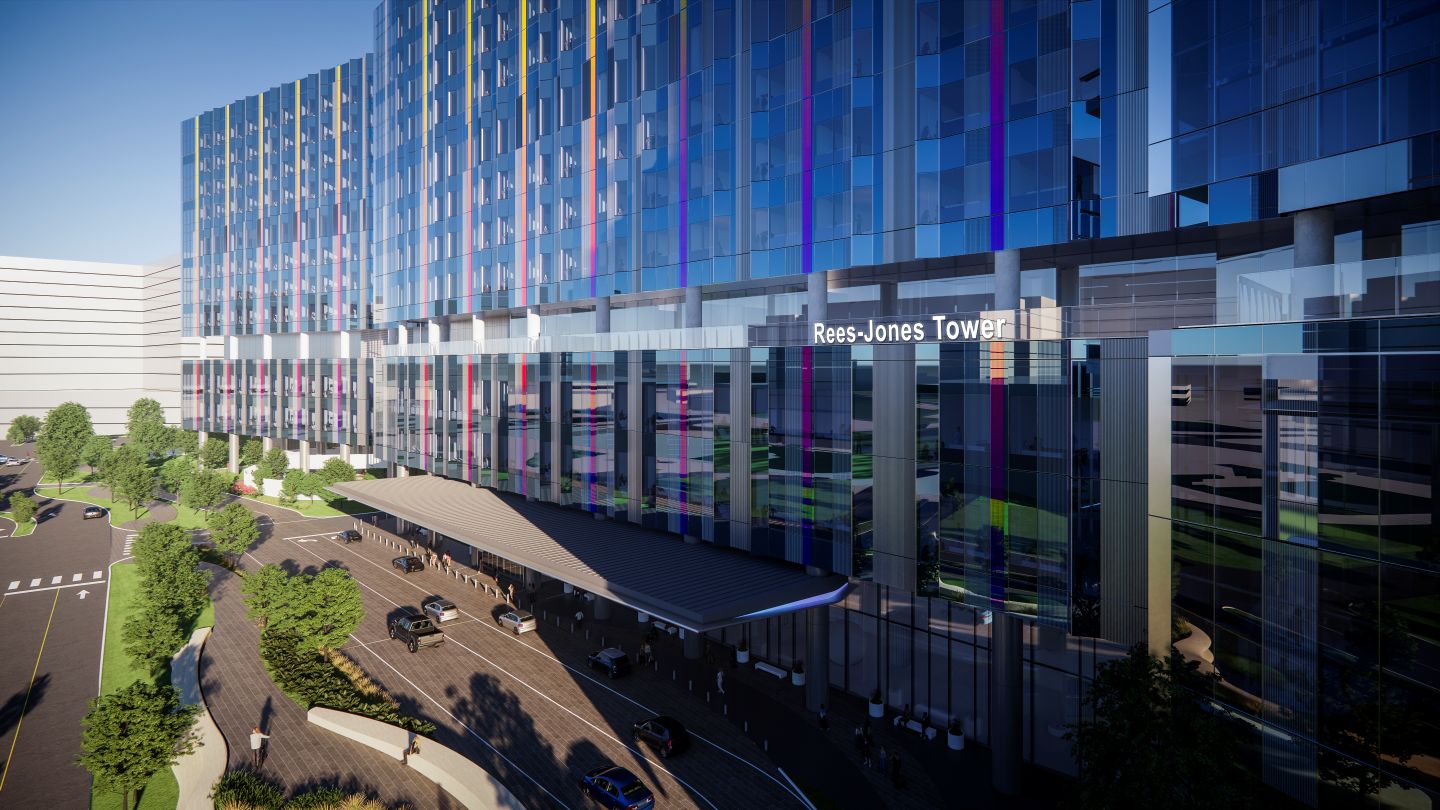
The Rees-Jones Foundation. To recognize the Pogue family’s visionary support, the 33-acre site of the new Dallas pediatric campus will be named Pogue Park, which will include sprawling green spaces to support compassionate healing and reduce stress in a restorative and natural environment. Additionally, in recognition of the Rees-Jones family’s impactful contribution, the central hospital tower will be named Rees-Jones Tower, which will serve as the main hospital entrance and house the lobby and welcome areas for patients and their families.
Fort Worth Expansion
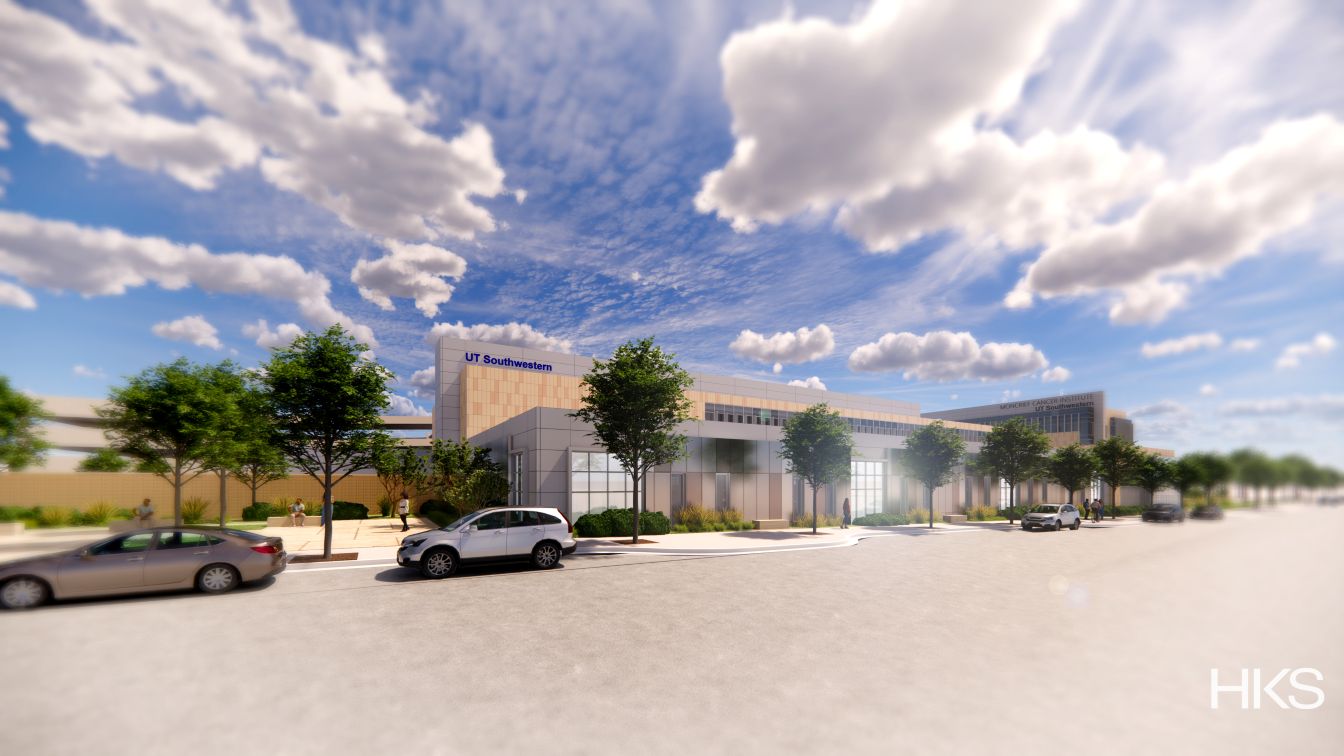
In May 2025, UT Southwestern Medical Center broke ground on a new $177 million Radiation Oncology campus in Fort Worth. Projected to open in 2028, the 65,000-square-foot facility will be the largest in the Fort Worth area and will help meet the increasing demand for the most advanced cancer therapies.
The hearts of esteemed philanthropists Sherri and Robert “Bobby” L. Patton Jr. have been drawn to the good health and happiness of their Fort Worth neighbors. Their transformative gift to help make the new expansion possible will provide access to the most innovative radiation oncology services close to home.
“Fort Worth is one of the fastest-growing cities in the country, and our high quality of life is a major driver of that growth. To continue to meet this moment, we need world-class health and cancer care. We know UT Southwestern is at the center of that.”
Mattie Parker
Fort Worth Mayor
The campus will be connected to Moncrief Cancer Institute, which has been part of UT Southwestern since 1999 and offers screening programs and educational support services for multiple counties. In 2015, UT Southwestern expanded its cancer care to Fort Worth, offering medical and surgical oncology services, imaging, and chemotherapy.
Two-thirds of cancer patients need lifesaving radiation therapy that often requires regular or daily treatments. The new Radiation Oncology campus will offer convenient services close to home and will join UT Southwestern’s other specialty services provided at the nearby UT Southwestern Monty and Tex Moncrief Medical Center at Fort Worth, including primary care and lab services, a retail pharmacy, specialty care clinics, and expanded imaging services.
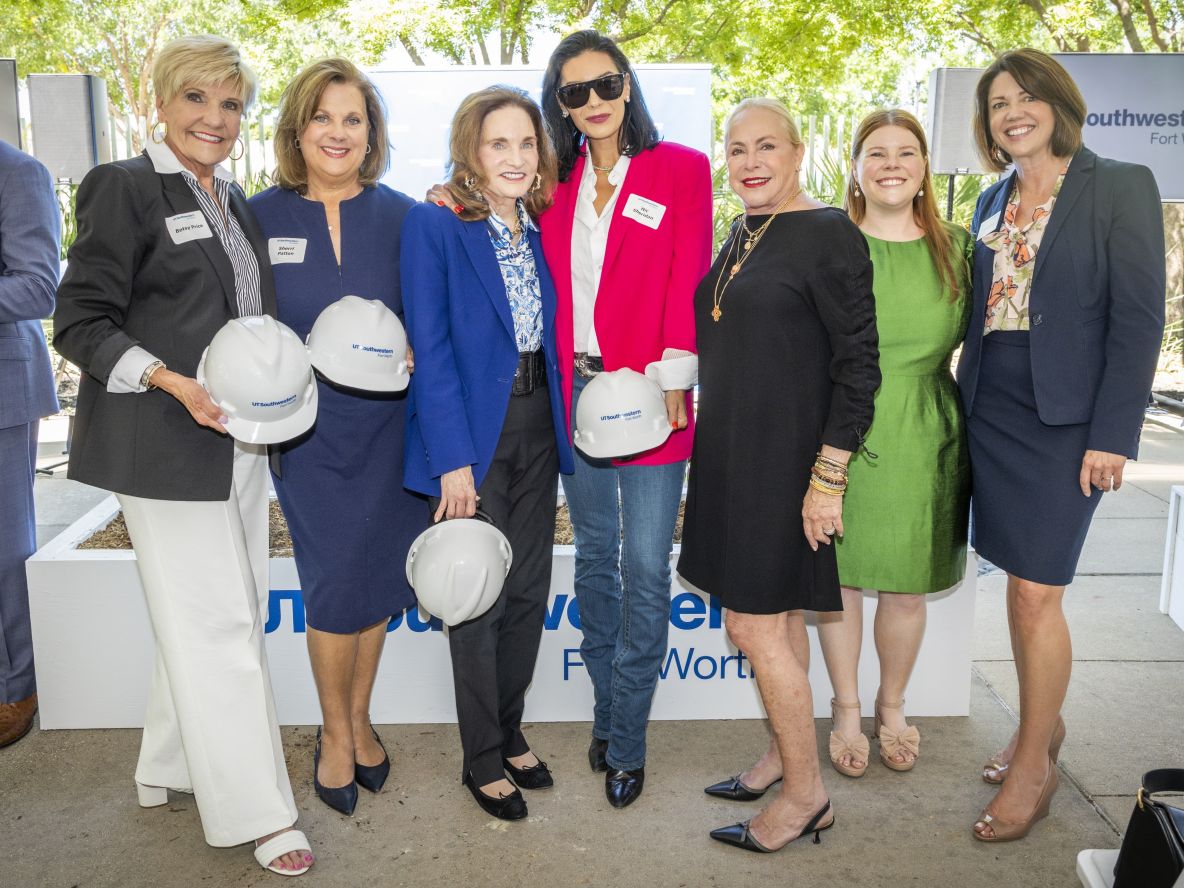
“Fort Worth is one of the greatest cities in America. It should have great cancer care. This expansion will bring cutting-edge technology and vital health care to our community.”
Sherri Patton
The new facility will feature four linear accelerators (LINACs) to deliver precise radiation treatments; MRI-guided precision radiation treatment – the first of its kind in Fort Worth – to facilitate therapy with unprecedented accuracy; positron emission tomography (PET) imaging to diagnose and evaluate tumor growth; and a fully equipped brachytherapy suite to provide high-dose radiation treatments for patients with prostate or gynecologic cancers.