

DALLAS (November 10, 2025) – The Cary Council celebrated its 10th anniversary and honored the 2025 recipients of its Early-Stage Research Grants at the seventh An Evening with DocStars on November 6. Each $50,000 seed grant, awarded to three rising investigators at UT Southwestern Medical Center, helps ignite promising research with the potential to transform care. Since launching their grant program in 2017, The Cary Council has supported 24 researchers whose early work has gone on to attract over $30 million in follow-on funding.
“What an incredible milestone year this has been for The Cary Council.”
Jonathan Dietz
Chair, The Cary Council
Founded in 2015, The Cary Council brings together a community of emerging leaders dedicated to supporting early-stage research and medical innovation in Dallas. In partnership with Southwestern Medical Foundation, the group champions promising science at UT Southwestern while inspiring peers to invest in ideas that lead to discovery. The Council’s investments have helped launch research careers, retain top talent, and strengthen Dallas’ role as a center for innovation in medicine. Funded projects have explored breast cancer, genomic technologies, infectious disease, pediatrics, and other vital areas of health.
“What an incredible milestone year this has been for The Cary Council and our Early-Stage Research Grant Recipients,” said Jonathan Dietz, Chair of The Cary Council. “Not only did the Council celebrate a decade of service, but we also saw our grant recipients surpass the $30 million mark for follow-on funding, an extraordinary testament to the power of early-stage support in driving medical progress.”
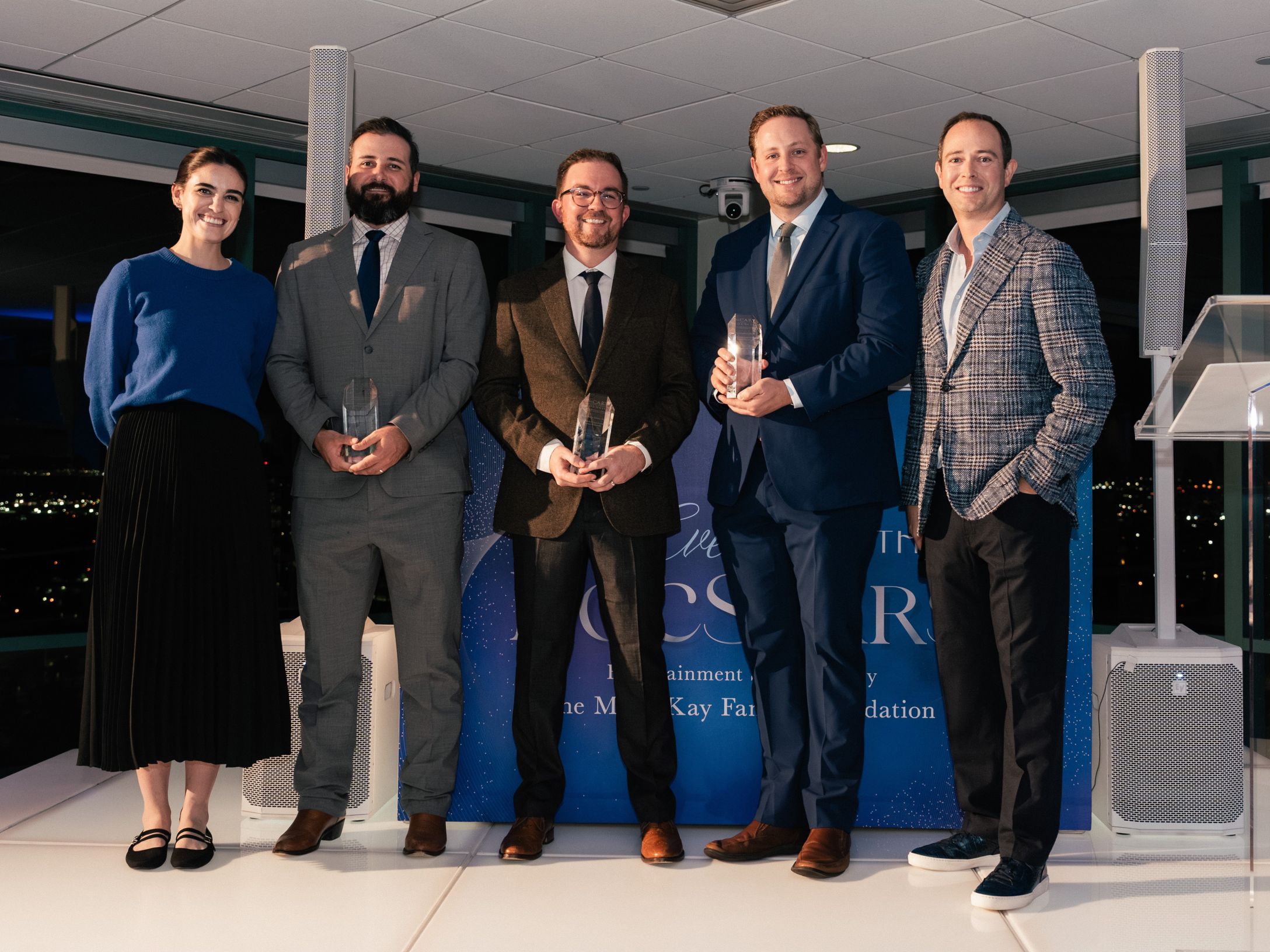
An Evening with DocStars highlights medical innovators and the role of philanthropy in advancing their work. This year’s event was held at the T. Boone Pickens Biomedical Building at UT Southwestern, and attendees enjoyed delicious gourmet food, lively music by DJ RomiQ, and six interactive stations showcasing leading-edge technology and innovative science from UT Southwestern. Several faculty members and former grant recipients attended, connecting with guests to discuss their work and the impact of philanthropic support in driving discoveries that can change lives.
“My husband and I are grateful to have played a role in bringing this event to life,” said Brittany Mathews, who chaired the 2025 event with her husband, Travis Mathews. “An Evening with DocStars energizes everyone in the room. One idea or breakthrough can change everything for a patient and their family, and that is exactly what these grants make possible. We are proud to support a cause that fuels innovation and gives hope for a healthier tomorrow.”
Presented by the lead sponsor, Lyda Hill Philanthropies, the event honored three UT Southwestern research physicians focused on:
- Seeking a lasting cure for upper GI cancers using novel treatment combinations
- Modernizing medical education to better prepare our future surgeons
- Uncovering long-term brain changes from head impacts in former amateur football players
Supporting these early-career investigators strengthens the culture of discovery that continues to shape
UT Southwestern’s global reputation for excellence in research, education, and patient care.
2025 Recipients of the Early-Stage Research Grants
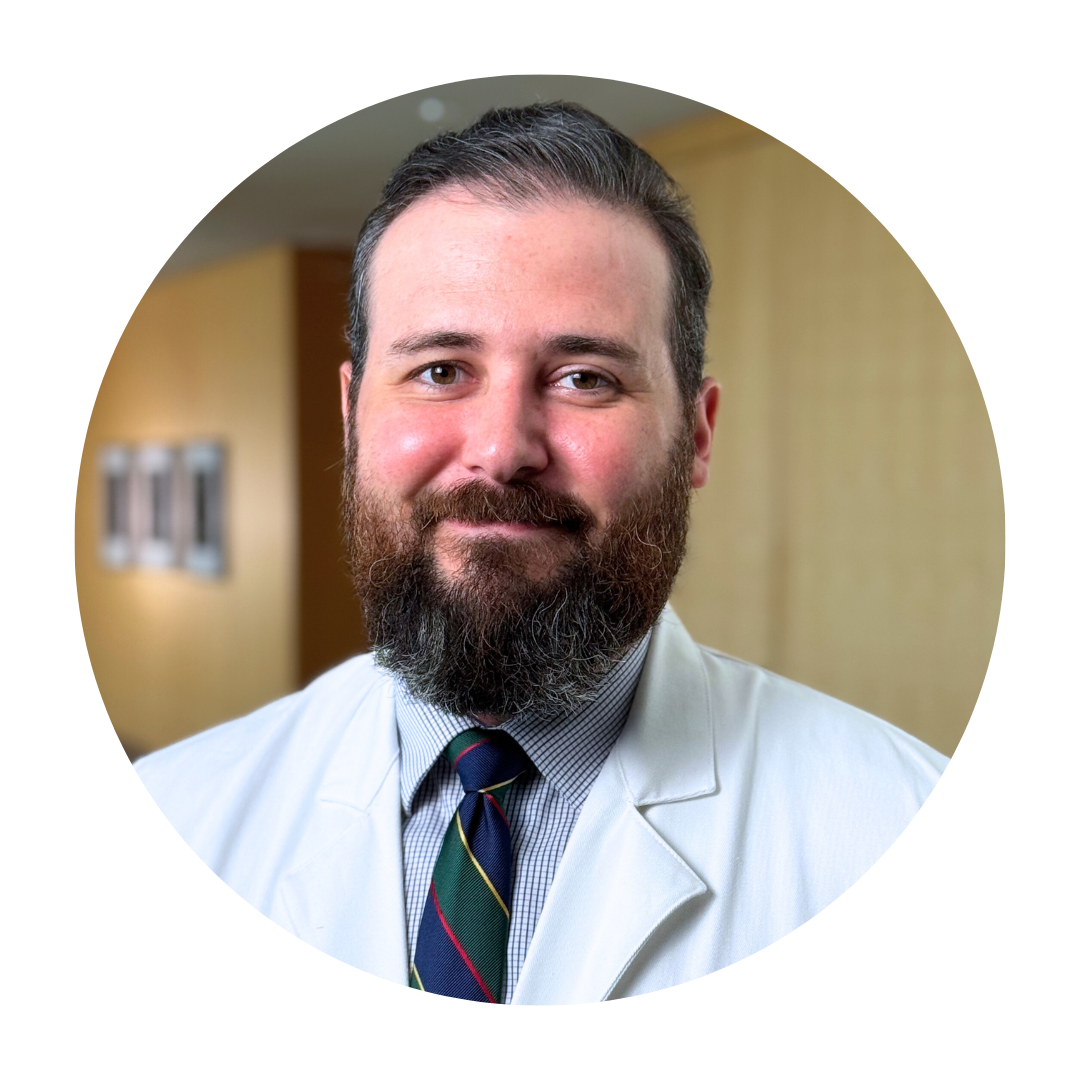
Timothy J. Brown, M.D., M.S.C.E.
Assistant Professor, Department of Internal Medicine at
UT Southwestern
Dr. Brown specializes in the treatment of upper gastrointestinal cancers, including the stomach and the esophagus. Dr. Brown is focused on improving patient outcomes through novel therapies and multidisciplinary approaches. Using his Early-Stage Research Grant, he plans to evaluate the addition of an adaptive radiation therapy, known as PULSAR, developed at UT Southwestern, in combination with chemotherapy and surgery for patients with esophageal cancer.
Board certified in internal medicine and oncology, Dr. Brown is an active member of the American Society of Clinical Oncology. He has published extensively in peer-reviewed journals and serves as a reviewer for several oncology publications.
Dr. Brown earned his undergraduate degree in human nutrition, foods, and exercise from Virginia Tech, graduating summa cum laude. He received his medical degree from Penn State College of Medicine and completed his residency in internal medicine at UT Southwestern, where he was appointed Chief Resident in 2018. He later completed a fellowship in oncology at the University of Pennsylvania, where he also earned a master’s in clinical epidemiology and served as Chief Fellow.
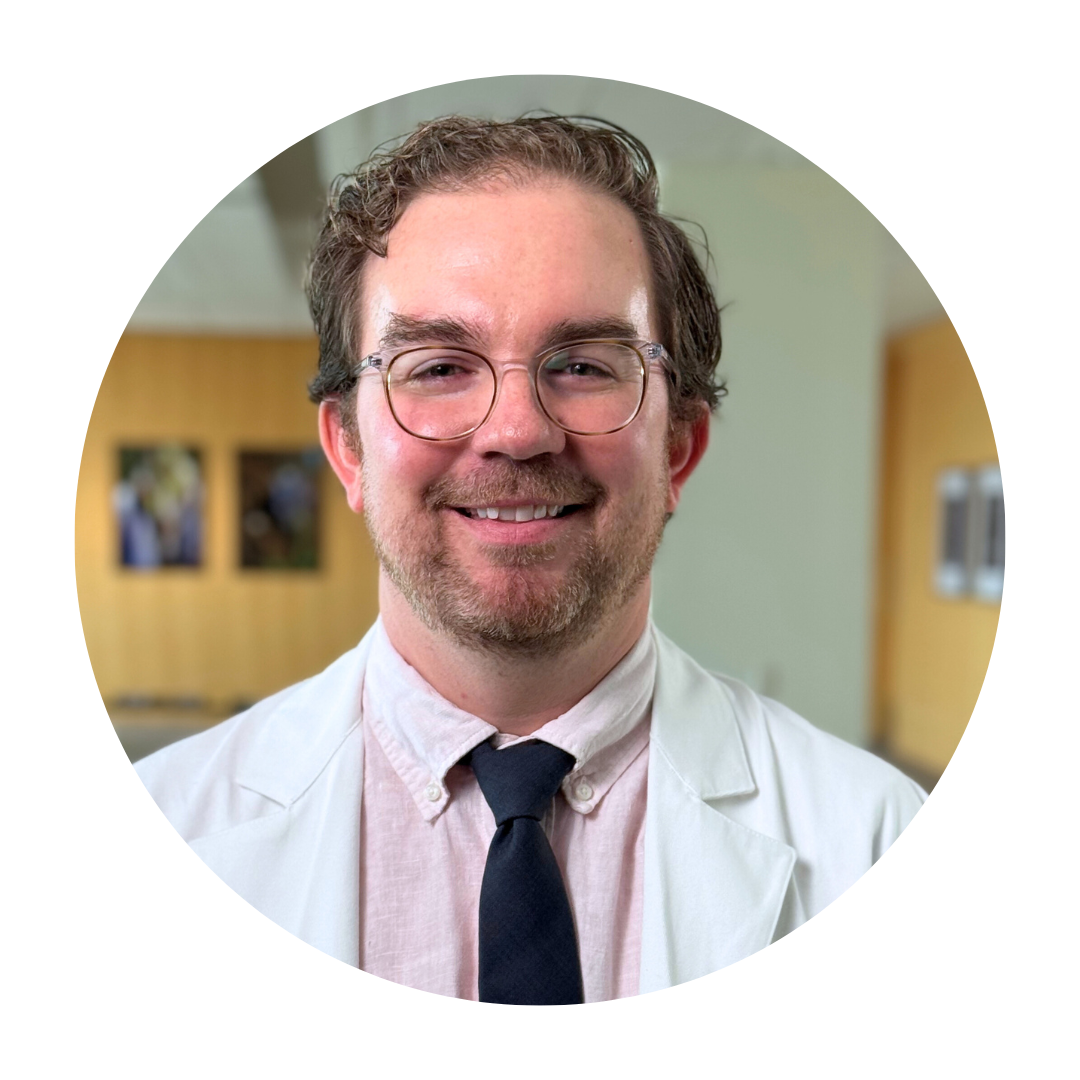
R. Nicholas Burns, M.D.
Assistant Professor, Obstetrics and Gynecology; Assistant Residency Program Director for OB/GYN at UT Southwestern
Nationally recognized as an innovative educator and scholar, his work focuses on optimizing physician training using data while encouraging lifelong learning habits in physicians.
With support from the Cary Council, Dr. Burns’ project will use insights from educational assessments and clinical data to provide targeted training opportunities for physicians. His early work includes developing a mathematical model to measure surgical competency among residents. His clinical and research interests further include hypertensive disorders of pregnancy, critical care in obstetrics, and quality and safety in maternal care.
Board certified in obstetrics and gynecology and in maternal-fetal medicine, Dr. Burns is a member of the American College of Obstetricians and Gynecologists, the Association of Professors of Gynecology and Obstetrics, and the Society for Maternal-Fetal Medicine.
A Dallas native, Dr. Burns earned his medical degree from The University of Texas Medical Branch and completed his residency in obstetrics and gynecology at The Warren Alpert Medical School of Brown University and Women & Infants Hospital of Rhode Island. He additionally completed a fellowship in maternal-fetal medicine at the University of Washington.
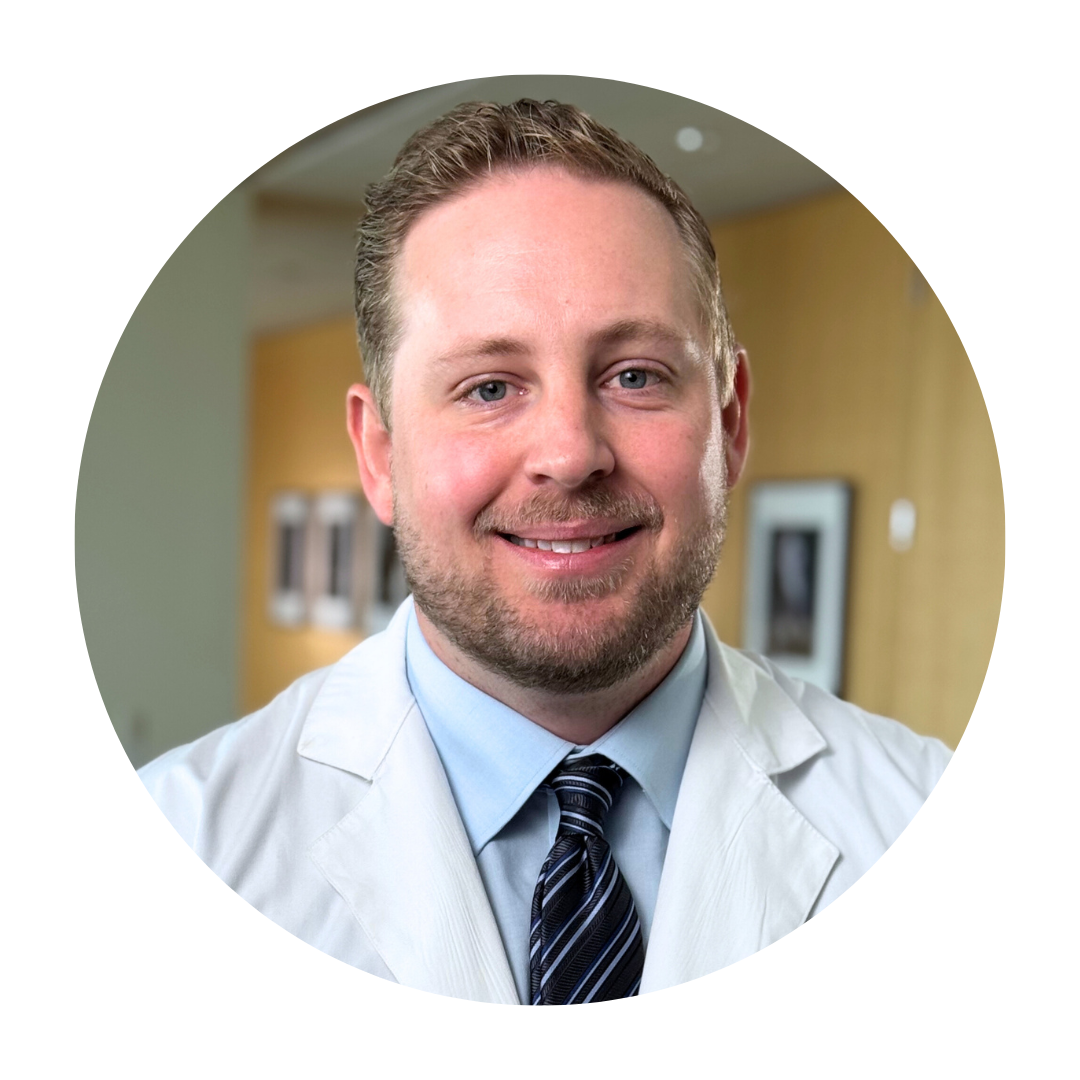
Jeff Schaffert, Ph.D.
Assistant Professor, Department of Psychiatry at UT Southwestern
Dr. Schaffert is a clinical neuropsychologist focused on detecting and improving cognitive impairment for his patients. One of his primary research areas is on the relationship between traumatic brain injury (TBI), repetitive head impacts (RHI), and the risk of later-life neurodegeneration and dementia. His work has demonstrated that TBI is associated with earlier onset of Alzheimer’s disease and may confer risk through static neuropathological deposition rather than initiation of a neurodegenerative process. His other primary area of research is in the cognitive presentation and outcomes of shunting in those with normal pressure hydrocephalus, for which he recently received funding as the Dedman Family Scholar in Clinical Care.
Dr. Schaffert serves as a co-investigator on the College Level Aging Athlete Study, which explores cognitive and emotional outcomes in former athletes with RHI exposure. With his Cary Council funding, he is leading a pilot study using blood biomarkers, advanced neuroimaging, and detailed cognitive assessments to detect early signs of neurodegeneration and cognitive decline in former collegiate athletes.
Dr. Schaffert earned a bachelor’s degree in psychology from Centenary College of Louisiana and a master’s degree in general clinical psychology from Eastern Michigan University. He received his Ph.D. in clinical psychology at UT Southwestern, where he also completed a fellowship in neuropsychology.
RESOURCES
Visit Southwestern Medical Foundation’s YouTube channel for videos of these doctors describing their work.
Dr. Timothy J. Brown
Dr. R. Nicholas Burns
Dr. Jeff Schaffert
Downloadable Images via Dropbox – HERE
###
ABOUT SOUTHWESTERN MEDICAL FOUNDATION
Southwestern Medical Foundation is a public charity and a registered 501(c)(3) with a prestigious 85+ year history that all started with a question: “Why not a great medical center in the Southwestern United States?” The Foundation was created to rally citizens in support of the highest quality health care possible in the Southwestern US. Out of that community vision, UT Southwestern Medical Center emerged. Today, it remains the Foundation’s partner and most significant beneficiary. Southwestern Medical Foundation is guided by four core principles: Service to Community, Vision of Excellence, Mindful Stewardship, and Best Outcomes. Each principle is a promise to donors, beneficiaries, and generations to come that the Foundation is dedicated to bringing the gift of better health to the Southwest and the world beyond. Southwestern Medical Foundation continues to earn a Candid (formerly GuideStar) Platinum Seal and Charity Navigator Four-Star Rating. These organizations rate governance, accountability, and transparency, supported by both qualitative and quantitative measures. Learn more at www.swmedical.org.
ABOUT UT SOUTHWESTERN MEDICAL CENTER
UT Southwestern, one of the nation’s premier academic medical centers, integrates pioneering biomedical research with exceptional clinical care and education. The institution’s faculty members have received six Nobel Prizes and include 24 members of the National Academy of Sciences, 25 members of the National Academy of Medicine, and 13 Howard Hughes Medical Institute Investigators. The full-time faculty of more than 3,200 is responsible for groundbreaking medical advances and is committed to translating science-driven research quickly to new clinical treatments. UT Southwestern physicians provide care in more than 80 specialties to more than 140,000 hospitalized patients, more than 360,000 emergency room cases, and oversee nearly 5.1 million outpatient visits a year. Learn more at https://www.utsouthwestern.edu/.
Russell Rian
UT Southwestern
214.648.3404
Russell.Rian@utsouthwestern.edu
Brittany Lebling
Southwestern Medical Foundation
214.934.0932
blebling@swmedical.org
Victoria Jett Kuper
LDWW
214.404.9455
victoria@ldww.co